Electrolyte Drinks vs. Plain Water for Orthostatic Symptoms
What sodium adds that water alone cannot, when plain water is genuinely enough, and why concentration matters as much as volume.
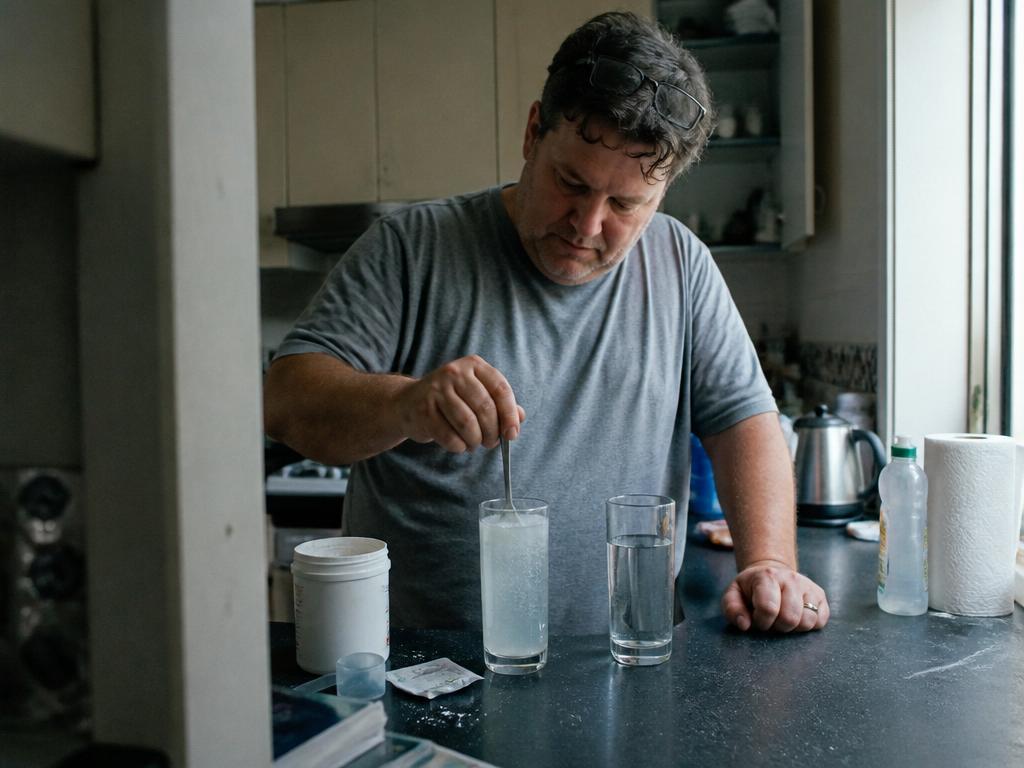
When standing makes your heart race and your head swim, reaching for a drink is instinct. The question is which drink. Plain water and an electrolyte drink are not interchangeable, but plain water is not useless either.
What sodium adds that water alone can’t
The orthostatic symptoms of POTS — the racing heart, the lightheadedness, the gray-out feeling when you stand — are tied to blood volume and how your vessels respond to gravity. Anything that helps your body hold onto fluid in the bloodstream tends to help.
This is where sodium earns its place. Plain water that arrives without sodium tends to pass through quickly; your kidneys clear the extra and the volume effect fades. Sodium gives water a reason to stay, helping your body retain it rather than flush it. So an electrolyte drink that contains meaningful sodium can support blood volume in a way that the same amount of plain water often does not.
That is the core difference. It is not that water fails to hydrate. It is that, for the specific job of expanding and holding blood volume, sodium is the active ingredient and water is the carrier.
Situations where plain water is fine
It would be a mistake to conclude that you should never drink plain water again. Plenty of moments call for it, and over-relying on salty drinks has its own costs.
Plain water is usually perfectly reasonable when:
- You are simply thirsty and your symptoms are quiet
- You are already getting sodium from your meals and snacks
- You are taking a medication or sip alongside food
- You have been advised to watch your overall sodium for another health reason
A common and practical pattern is to use sodium-containing fluids strategically — in the morning, before a tough activity, or on a hot day — while letting plain water cover ordinary thirst the rest of the time. You do not need every sip to be an electrolyte drink.
How to think about concentration, not just volume
The most useful shift is to stop thinking only about how much you drink and start thinking about what is in it. Volume and concentration are two different levers.
Imagine two people who each drink the same amount of fluid in a morning. One drinks only water; the other includes some sodium. The second person is more likely to actually retain that fluid, because the sodium changes how the body handles it. Same volume, different result.
This also explains why “just drink more” can stall out. Past a point, adding plain water does not add benefit and can dilute your blood sodium. Adjusting the concentration — making sure some of your intake carries sodium — often does more than simply pouring in extra liters.
| Goal | Plain water | Electrolyte drink |
|---|---|---|
| Quench ordinary thirst | Fine | Fine, but not necessary |
| Expand and hold blood volume | Limited on its own | Better suited |
| Cover a hot day or hard activity | Often not enough alone | Commonly preferred |
The amounts and concentrations that suit you are an individual matter. How much sodium you should aim for, and whether any health condition changes that, is a conversation for your clinician.
The bottom line
Plain water hydrates, but for the orthostatic side of POTS, sodium is what helps fluid stick around and support blood volume. Use sodium-containing drinks where they earn their keep — mornings, heat, exertion — and let plain water handle the rest. Think in terms of concentration as well as volume, and confirm your sodium targets with the clinician who knows your situation.