
Showering Without the Lightheadedness: Heat, Standing, and POTS
Why hot showers are a classic POTS trigger, the seated and cooler-water adjustments that help, and how to recover if symptoms start.
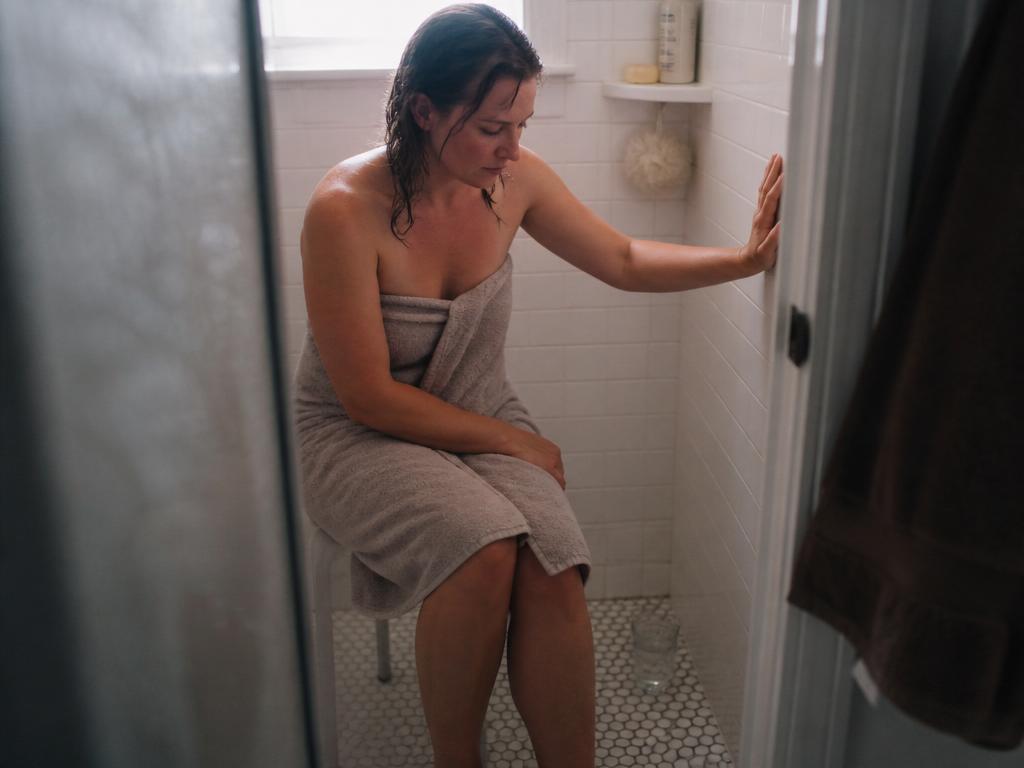
Plenty of people with POTS dread the shower, and for good reason. It combines two of the condition’s biggest triggers into one small, slippery space. The good news is that a few adjustments make it far safer and more comfortable.
The heat-plus-standing double hit
A hot shower is hard on POTS because it pairs heat with prolonged standing — each a challenge on its own, worse together.
Heat makes your blood vessels widen to shed warmth. That vasodilation pulls blood toward the skin and lets it pool low in the body, leaving less to return to your heart and brain. At the same time, you are standing still, which already encourages pooling in POTS. You are also often standing with arms raised to wash your hair, which can add to the lightheaded feeling. Stack hot water on top of quiet standing and it is no surprise that the result is dizziness, a racing heart, or that ominous gray-out sensation.
Recognizing this as a predictable double hit, rather than a random failing, is the first step. Once you see why it happens, the adjustments are obvious.
Seated and cooler-water options
The two most effective changes attack the two triggers directly: take standing out of the equation, and turn the heat down.
- Sit down. A sturdy shower chair or bench removes the standing challenge entirely. This is one of the highest-impact changes you can make, and it is not a sign of giving in — it is simply removing a known trigger.
- Lower the temperature. A cooler or lukewarm shower causes far less vasodilation than a hot one. Even nudging the temperature down helps, and finishing with cooler water can leave you steadier.
- Keep it shorter. Long exposure to heat compounds the effect, so a brisk shower is gentler than a lingering one.
- Ventilate. Letting steam escape keeps the air cooler and the heat load lower.
- Time it well. Showering when you are already well-hydrated, and not first thing after standing up from bed, stacks the odds in your favor.
A small practical point: keep something to hold onto within reach, and consider showering when someone else is home if you have had near-faints before. Safety first in a wet, hard-surfaced room.
| Trigger | Adjustment |
|---|---|
| Heat and vasodilation | Cooler or lukewarm water; shorter shower; ventilate |
| Standing still | Use a shower chair or bench |
| Arms raised to wash hair | Sit, and lower your arms between steps |
| Low fluid status | Shower when hydrated, not right after waking |
Recovering if you feel symptoms mid-shower
Even with adjustments, you may feel symptoms come on. Having a plan for that moment matters more than hoping it never happens.
If you start to feel lightheaded, faint, or your heart races, the priority is to get low before your body decides for you. Sit down on the shower floor or chair right away. Getting your head closer to heart level relieves the pooling quickly. Turn the water cooler, or off, and let the heat dissipate. Stay seated until the feeling fully passes — do not test it by standing too soon.
Once you are steady, get out carefully, sit again if you need to, and rehydrate with fluids and sodium. If you actually faint, injure yourself, or these episodes keep happening, that is worth reporting to your clinician so the bigger picture can be looked at.
The bottom line
Showers trigger POTS by combining heat-driven vasodilation with quiet standing. Defuse both: sit on a shower chair, keep the water cooler and the shower shorter, ventilate, and go in well-hydrated. If symptoms start, sit down immediately, cool the water, and wait it out before rising. These are simple changes, and they turn a daily ordeal back into an ordinary part of the morning. Loop in your clinician if fainting is part of the picture.