Managing POTS Symptoms in Hot Weather
Why heat hits dysautonomia hard through vasodilation and pooling, plus cooling strategies and fluid adjustments that genuinely help.
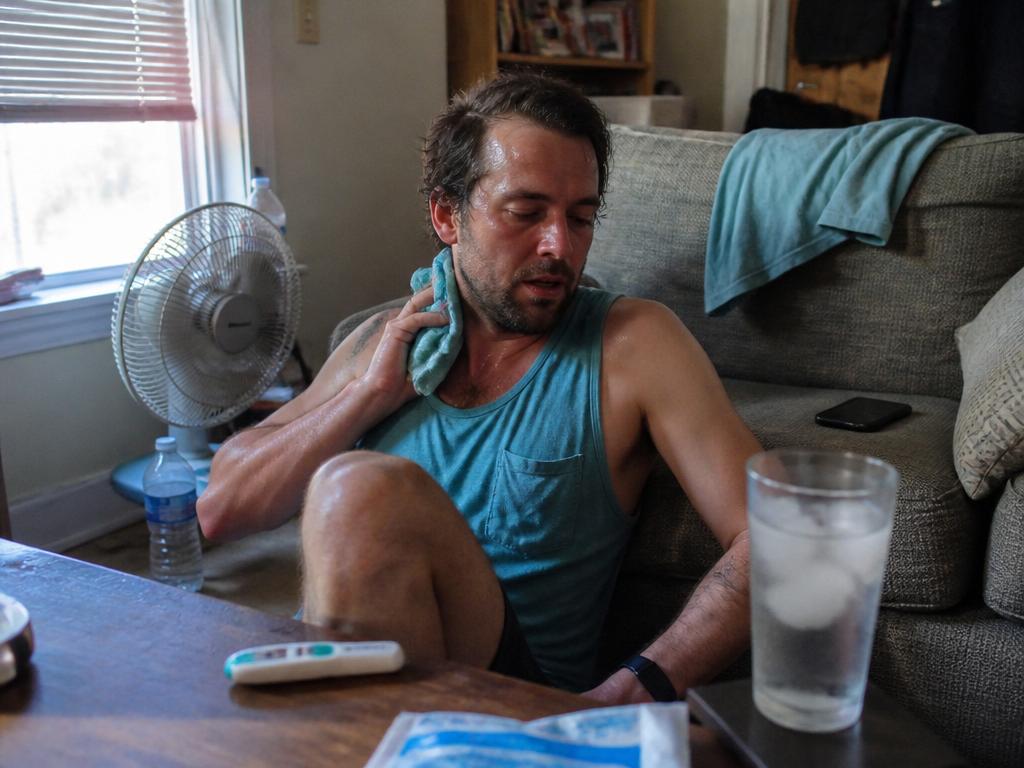
For a lot of people with POTS, summer is the hardest season. Heat does not just feel unpleasant — it works directly against the systems POTS already strains. Understanding why makes the workarounds make sense.
Why vasodilation worsens pooling
When you get hot, your body cools itself by widening the blood vessels near your skin. That vasodilation is normal and useful: it moves warm blood toward the surface to shed heat. The problem is what it does to someone whose circulation is already struggling against gravity.
In POTS, blood tends to pool in the legs and abdomen when you are upright. Heat-driven vasodilation makes those vessels even more relaxed, so more blood settles low in the body and less returns to the heart and brain. The result is predictable: more lightheadedness, a faster heart rate, more fatigue, and that drained, gray feeling. Add the fluid you lose through sweat, which lowers blood volume further, and a hot day can stack two challenges at once.
So heat intolerance in POTS is not in your head and not a sign of weakness. It is a direct consequence of how temperature regulation and circulation interact.
Cooling strategies that actually help
Because the trigger is core and skin temperature, the most effective responses bring that temperature down. Small, targeted cooling often beats trying to power through.
- Cool the high-impact spots: the neck, wrists, and face respond quickly to a cold cloth or cool water
- Seek shade and air movement; a fan or a breeze helps sweat do its job
- Plan demanding errands for the cooler parts of the day, early or late
- Take breaks in air conditioning when you can, rather than waiting until you feel awful
- Dress for heat with loose, light, breathable layers you can shed
A useful mindset is to cool early and often instead of reacting only once symptoms hit. By the time you feel the gray-out coming, you are already behind. Pre-cooling before a hot task, and stepping out of the heat at the first signs, keeps you ahead of it.
Adjusting sodium and fluids on hot days
Heat raises your fluid and sodium needs because you lose both through sweat. On hot days, your usual intake may simply not be enough to hold your blood volume steady.
| Hot-day factor | Practical adjustment |
|---|---|
| Sweat loses fluid | Drink more than your baseline; sip steadily, do not wait for thirst |
| Sweat loses sodium | Lean on sodium-containing fluids, not just plain water |
| Plain water can dilute | Pair extra water with sodium so you actually retain it |
| Symptoms climb fast | Cool down and sit or lie down rather than pushing on |
The same principle from everyday POTS care applies, just turned up: water without sodium will not hold as well, and on a sweaty day that gap matters more. Exactly how much extra fluid and sodium you need depends on the conditions, your activity, and your own guidance. If you take medication affecting fluid balance, or you have another condition that limits sodium, the right hot-weather plan is one to set with your clinician.
If you ever feel confused, stop sweating despite the heat, or become very weak, treat that as a reason to get cool and seek help rather than tough it out.
The bottom line
Heat worsens POTS because vasodilation deepens blood pooling and sweat drains volume, a double hit on circulation. The countermeasures are to cool early and target the neck, wrists, and face; time hard tasks for cooler hours; and raise both fluids and sodium to match what you lose. Stay ahead of symptoms rather than reacting late, and shape the specifics with the care team who knows your situation.