
Flying and Long Drives With POTS: A Travel Prep Guide
Cabin pressure, hours of immobility, and dehydration all challenge POTS — here is how to load up, move in transit, and recover after arrival.
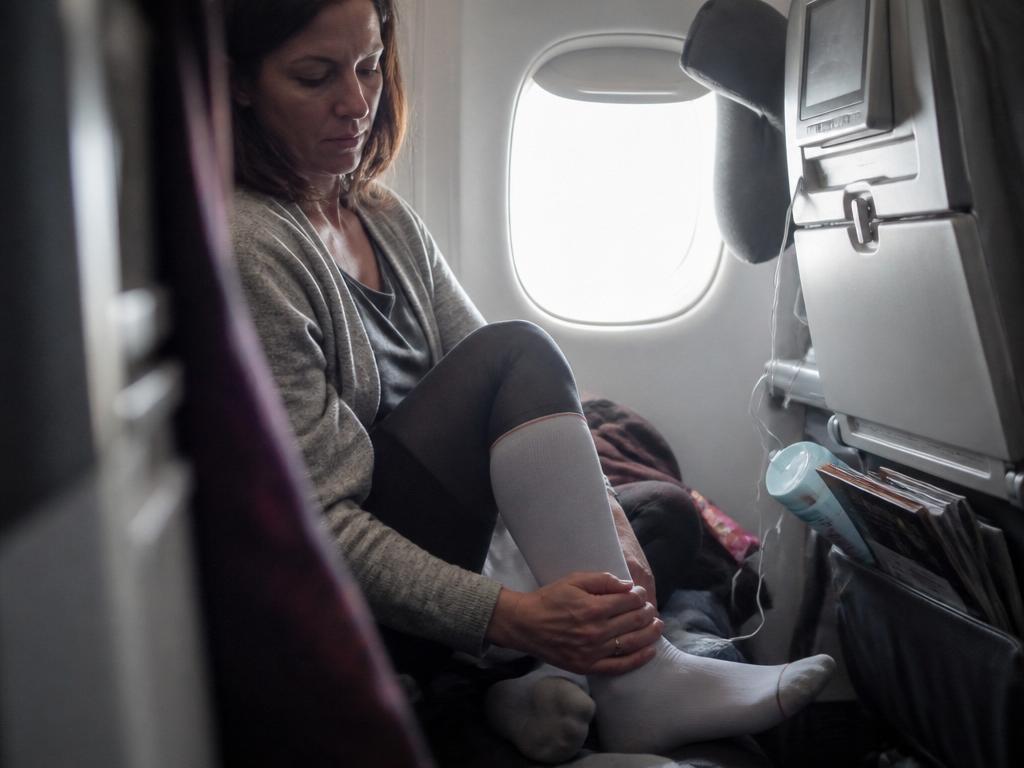
Travel concentrates several POTS triggers into a few hours: you sit still for a long time, you tend to drink less, and cabins are dry. With a little planning, a flight or a long drive becomes far more manageable.
Pre-travel hydration loading
The single most useful habit is to arrive at the trip already well-hydrated rather than trying to catch up mid-journey. Travel days have a way of crowding out normal fluid intake, so the buffer you build beforehand carries you.
In the day or two before you leave, keep your fluids steady and make sure sodium is part of the mix, so the volume you take in is actually retained. On the morning of travel, drink before you head out the door instead of waiting until you are in transit. The aim is to start the journey topped up.
Bring fluids with you, too. Airport security and long stretches of road both make it easy to go hours without drinking, and “I will get something later” is how a travel day quietly dehydrates you. A bottle within reach, plus a way to add sodium, keeps you supplied when options are limited.
Movement and compression in transit
Hours of sitting still are hard on POTS because immobility lets blood pool with nothing to pump it back up. The fix is to keep your lower-body muscles working, even in a cramped seat.
- Pump your calves, flex your ankles, and clench your thighs regularly while seated
- Stand and walk the aisle on a flight, or stop the car periodically on a long drive, when it is safe to do so
- Use those breaks to drink and to move, not just to rest
Graduated compression on the legs is a common tool for exactly this situation. By gently counteracting pooling, it can make long periods of sitting more tolerable. Many people find compression especially worth it on travel days even if they do not wear it daily. Whether compression suits you, and what kind, is something to discuss with your clinician, but the rationale fits the travel problem well.
| Travel challenge | Counter-move |
|---|---|
| Long immobility | Calf pumps, ankle flexes, periodic standing or stops |
| Blood pooling in legs | Compression on the legs |
| Dry cabin or long road | Carry fluids; sip steadily with sodium |
| Heat in a car | Keep cool, run air conditioning, avoid the hottest hours |
Building in recovery time after arrival
The mistake that catches many travelers is treating arrival as the finish line and immediately launching into activity. POTS does not work that way. A travel day is a big load, and pushing straight into a full schedule often means paying for it.
Plan a buffer. Give yourself time on arrival to rehydrate properly, lie down or put your legs up, and let your body settle before doing much. If you can, avoid scheduling anything demanding for the first stretch after you land or pull in. Treat the day after as lighter, too, if your itinerary allows.
This is pacing applied to travel: spend the energy on getting there, then deliberately bank some recovery rather than spending what you do not have. The trip goes better when the arrival is part of the plan, not an afterthought.
The bottom line
POTS makes travel harder by stacking immobility, low fluid intake, and dry air. Load up on fluids and sodium before you go and carry them with you; keep your legs moving and consider compression for the sitting hours; and build real recovery time into your arrival instead of charging ahead. Tailor the details — compression, sodium, medication timing — with the clinician who knows your case, and travel becomes a planned challenge rather than a gamble.